


News
10 South African Industries Where Secure Document Destruction Is Essential for Compliance
Mar
Every organisation in South Africa is legally required to safeguard the personal and confidential information it collects, stores, and disposes of. Under the Protection of Personal Information Act (POPIA), this responsibility extends to the secure destruction of paper records once they are no longer required.
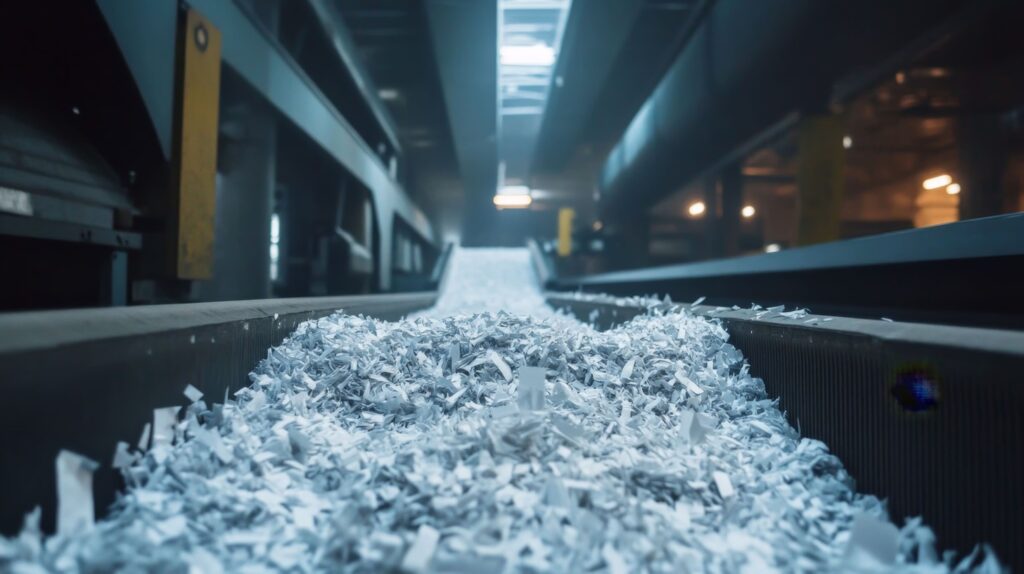
While digital systems receive much of the focus, paper documents remain one of the most common sources of data breaches. For several industries, secure offsite document shredding is not just best practice, it is a legal and operational necessity.
Below are 10 South African industries where secure document destruction is essential for compliance and risk management.
1. Financial Services
Banks, insurers, accountants, and credit providers handle sensitive financial and personal data governed by POPIA and the Financial Intelligence Centre Act (FICA).
Documents to shred:
Paper financial statements, loan applications, client records, FICA documentation, credit applications.
Why:
Improper disposal exposes clients to fraud and identity theft and places institutions at risk of regulatory penalties. Secure offsite shredding ensures financial records are destroyed safely and confidentially.
2. Healthcare and Medical Practices
Healthcare providers manage extensive personal and sensitive patient information protected by POPIA and the National Health Act.
Documents to shred:
Paper patient files, printed prescriptions, billing documents, administrative records.
Why:
Breaches of medical data undermine trust and violate legal confidentiality obligations. Certified offsite shredding helps healthcare organisations maintain compliance and protect sensitive patient information.
3. Legal and Professional Services
Law firms and legal practitioners work with highly confidential client and case information.
Documents to shred:
Printed contracts, case notes, wills, affidavits, and legal correspondence.
Why:
The Legal Practice Act requires strict protection of client information. Secure paper destruction prevents unauthorised access and helps firms uphold ethical obligations.
4. Government and Public Sector
Government departments manage extensive citizen information, from IDs to tax data.
Documents to shred:
Printed application forms, paper tax records, procurement documents, and internal administrative files.
Why:
Data leaks from public institutions erode trust and can result in investigations by the Information Regulator. Secure shredding supports compliance and responsible records management.
5. Education Sector
Schools, universities, and training institutions hold personal information relating to both minors and adults.
Documents to shred:
Printed admission forms, assessment records, disciplinary documentation, HR records, and payroll files.
Why:
Educational institutions must comply with POPIA and protect student and staff data throughout its lifecycle, including disposal.
6. Human Resources and Recruitment
HR departments and recruitment agencies handle large volumes of personal and employment information.
Documents to shred:
CVs, printed ID copies, performance reviews, employment contracts, tax documentation, and leave records.
Why:
Improper handling of HR records breaches POPIA and confidentiality laws. A Certificate of Destruction helps organisations demonstrate compliance with data-retention policies.
7. Real Estate and Property Management
Property managers and estate agents collect tenant and buyer information, including personal identifiers and financial data.
Documents to shred:
FICA documents, lease agreements, tenant application forms, credit assessment records, and printed contracts.
Why:
Secure document destruction prevents fraud and ensures compliance with FICA and POPIA.
8. Telecommunications and Technology Providers
Telecoms and IT companies handle subscriber information, internal operational documents, and contract data.
Documents to shred:
Printed customer contracts, billing reports, service agreements, and administrative records.
Why:
POPIA requires that customer information be protected at all stages, including disposal. Offsite shredding reduces exposure to reputational and operational risks.
9. Retail and E-commerce
Retail businesses and online platforms collect customer, supplier, and employee data.
Documents to shred:
Transaction records, printed invoices, loyalty programme documentation, payroll records, and supplier contracts.
Why:
Once paper records are no longer needed, they must be securely destroyed to comply with POPIA and prevent customer data exposure.
10. Manufacturing and Industrial Companies
These businesses manage sensitive internal documentation, intellectual property, and HR records.
Documents to shred:
Printed product specifications, supplier agreements, internal reports, and employee documents.
Why:
Improper disposal risks leaking operational information or breaching supplier confidentiality agreements.
POPIA Compliance: Shared Responsibility Across All Industries
POPIA requires organisations to protect personal information from creation through to destruction. Condition 7 (Security Safeguards) specifies that records must be disposed of securely once they are no longer needed.
Partnering with us ensures:
- Verified Certificate of Destruction for every batch
- Secure, controlled handling and transport of documents to TDW’s facility
- Shredding carried out only at TDW’s secure premises
- Compliance with ISO 9001 and ISO 27001 standards
- Environmentally responsible recycling of shredded paper
Final Thoughts
From financial institutions to healthcare providers and government departments, secure document destruction is both a legal requirement and a critical part of protecting your organisation’s reputation. Working with a trusted, compliant shredding partner ensures that outdated documents are destroyed safely and securely — reducing risk and strengthening accountability.
Protect your data. Protect your organisation.